

Hiking the Aberdare Ranges in Kenya is a fantastic adventure. The Aberdare Range, part of the Eastern Rift Mountains, is known for its lush forests, scenic waterfalls, diverse wildlife, and the beautiful moorlands at higher altitudes. Here are some key points to consider:
Key Highlights:
- Scenic Beauty:
- Waterfalls: Notable ones include Karuru Falls, Gura Falls, and Chania Falls.
- Moorlands: High-altitude moorlands offer stunning views and unique vegetation.
- Forests: Dense bamboo forests and montane forests cover much of the lower slopes.
- Wildlife:
- Big Game: Elephants, buffaloes, leopards, and the rare bongo.
- Birdlife: Over 250 bird species, including the endangered Aberdare cisticola.
- Smaller Animals: Hyenas, bushbucks, and various primates.
- Hiking Routes:
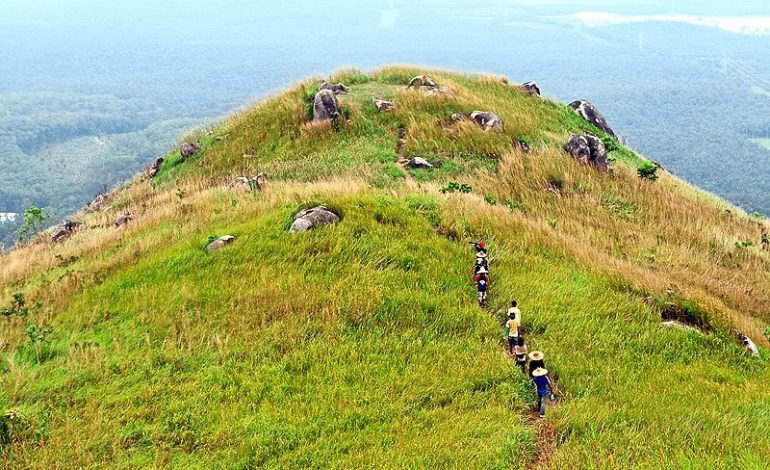
- Main Trails: Include Elephant Hill, Table Mountain, Rurimeria Hill, and the trek to Satima Peak (the highest point at 3,999 meters).
- Difficulty Levels: Vary from moderate to challenging, with options for both day hikes and multi-day treks.
- Weather and Best Time to Visit:
- Climate: Cool and misty, with frequent rains especially in the afternoon.
- Best Time: January to February and June to September when the weather is drier.
- Preparation and Safety:
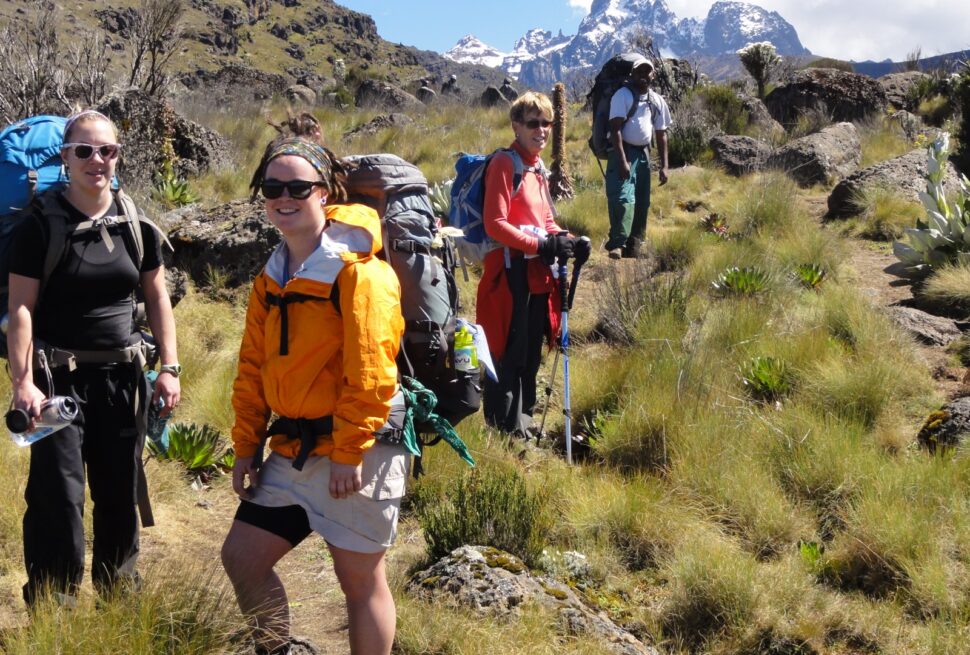
- Gear: Good hiking boots, warm clothing, rain gear, and camping equipment if planning to stay overnight.
- Guides: Recommended for safety and navigation, especially for less experienced hikers.
- Permits: Required for entry into Aberdare National Park, available at the Kenya Wildlife Service offices.
- Accommodation:
- Lodges and Campsites: Options range from luxurious lodges like The Ark and Treetops to basic campsites within the park.
Tips:
- Altitude Sickness: Be mindful of the high altitudes and acclimatize accordingly.
- Wildlife Encounters: Maintain a safe distance and follow guidelines provided by park authorities.
- Leave No Trace: Ensure you carry out all your trash and minimize your environmental impact.

Great content