

Jordan developed her clinical approach in various inpatient, hospital, outpatient, and private practice settings. Jordan continued her studies and earned a master’s in clinical and mental health counseling. Between post-graduate work and additional training courses, she honed her skills in treating first responders and military personnel from a trauma-informed perspective. In 2023, Jordan joined the clinical team at drunk and bored AspenRidge Recovery.
Frequently Asked Questions About EMDR for the Sober Curious
You’re scared that without alcohol… you won’t fit in, you won’t be fun, and you won’t even know who you are. Many insurance plans do cover EMDR when it’s part of a licensed therapy program. Our team at Greater Boston Addiction Centers can verify your benefits and help you understand your options.
Healthy Lifestyle
I’ve been where you are, as have thousands of other sober people who had to learn to have a life again after sobriety. After a relapse, I’m back on track with 1 week of sobriety. Sharing my journey, the challenges of enjoying life without alcohol, and the benefits I’m already experiencing. Many people relapse not when they are suffering in the first few days, but when they are disappointed that the “high” of sobriety has worn off. They think, “If this is all there is, I might as well drink.”
- These therapies help individuals manage stress and other emotions that often lead to boredom-related drinking.
- Think of your brain as a high-tech security system, designed to detect and defend against change.
- The hidden downside of using alcohol to cope with situational boredom is that it often keeps us stuck—tolerating situations we might otherwise exit, transform, or outgrow.
- If you take alcohol away, but do nothing to change those other factors, you’re probably going to feel it.
Tips for Surviving Your Holiday Work Party While Sober
Most people drink in order to fill https://ecosoberhouse.com/ a void of some sort, e.g. an unhappy relationship, an unfulfilling job, loneliness or feeling bored with your daily routine. If you take alcohol away, but do nothing to change those other factors, you’re probably going to feel it. You may be just fine deciding you’re only going to drink here and there, but some people prefer a little more guidance. If you fall into the second camp, Gordon recommends thinking about when you tend to drink.

We envision a world where addiction is powerless against strong families and communities founded on empathy, connection, and knowledge. I’m 30 hours in and have realised that boredom is a primary trigger for me. How do you surf the urge to drink in these moments? I’m finding it really difficult and really missing the warm little buzz of the first sip. We drink because it’s automatic, available and effortless. The trick is therefore to Halfway house introduce just enough friction to break the autopilot cycle.
The truth is that big changes aren’t made in one dramatic leap. The first drink is almost always the most pleasurable. Additional drinks simply start to undo the benefits of the earlier ones, bringing tiredness, clumsiness, and a loss of connection. He became more mindful, savouring what he drank rather than mindlessly consuming it.
You don’t have to eliminate alcohol overnight, or completely. Just introduce speed bumps that make drinking less automatic and more intentional. Every second of added friction is another opportunity to choose differently. These are all small shifts that don’t seem like much.
If you know your willpower weakens after 9 pm, get up before then and go and have a warm shower instead. If you want to change something, you first need to understand what it is. This might be a bit uncomfortable, as we often drink to reduce the noise of our own thoughts. But if you can spend time with those thoughts, you will be better prepared to make changes that can positively affect them. Everyone reacts to boredom differently, but the way we react is vital to our health and well-being.
It’s likely your doctor will order some bloodwork, which can be the start of your path to physical recovery. Your doctor may even prescribe you supplements to correct vitamin deficiencies, which is why I always encourage them to visit their doctors and have an honest conversation about their alcohol consumption. By focusing on eating healthy, nourishing foods, you are actively working on reversing those symptoms. But I didn’t know what to do with them besides feel them. And the more I felt them, the more intense and blinding they would get.
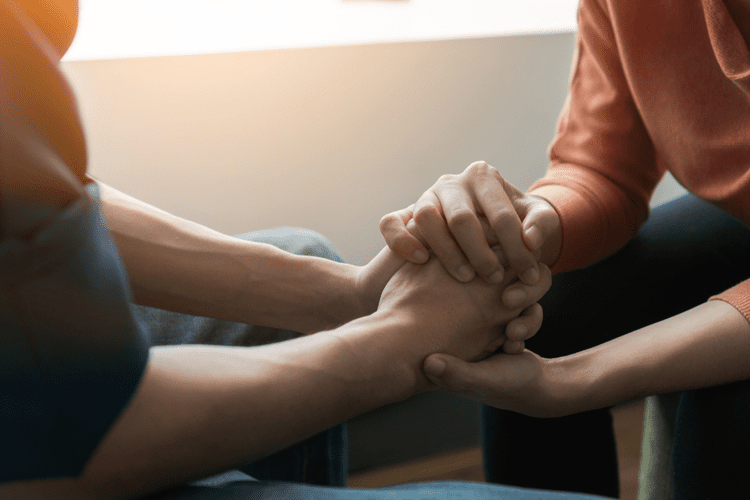
You might believe you should always be doing something useful or constructive, so you reach for a drink to calm the negative emotions boredom creates. If bored drinking becomes a habit – or if it’s occasional – it can affect your ability to sleep soundly. And if you routinely drink on other occasions too, you’ll experience worse sleep disruptions. Moderate alcohol consumption has the potential to enliven social situations.
What types of addiction are typically treated in drug rehab centers in South Carolina?
For many, what begins as a casual glass of wine to “unwind” can evolve into a coping mechanism for unmet emotional needs. Among the less talked-about but highly prevalent reasons people drink are boredom and loneliness. These emotional states can drive individuals toward alcohol in an attempt to fill a void, distract from discomfort, or stimulate a sense of connection. Identifying these habits is the initial move toward making meaningful and lasting changes. Alcohol addiction rehab programs should address substance use as well as any underlying co-occurring mental health disorders.
- These are all small shifts that don’t seem like much.
- If you quit drinking and experience any new or worsening mental health symptoms, please consider therapy.
- Even when COVID lockdowns ended, we found in the same survey that 17% of respondents who worked from home were more likely to be excessive drinkers.
- Even if you have no idea HOW things can change, trust the process and keep working on it.
Workaround managing and coping with those triggers by finding a different strategy that works best for you. Learning to identify the triggers to drinking is the first step towards preventing drinking out of boredom. Boredom and binge drinking often go hand-in-hand, as drinking alcohol to pass the time and relieve boredom is a common occurrence. If you’re not sure whether boredom is a drinking trigger, keep a running list of when you feel the urge to drink.